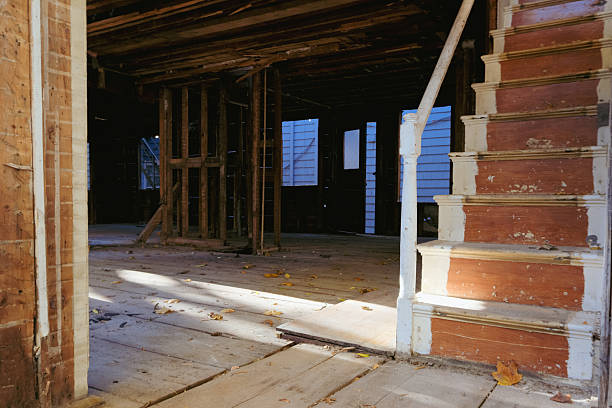
Buying or living in an old house feels a bit like adopting a senior dog. It has character, stories, and charm… but also weird smells, mystery noises, and surprise expenses you did not emotionally prepare for. I learned this the hard way when I moved into a 30+ year old place and thought a fresh coat of paint would magically fix everything. Spoiler: it did not.
Old houses don’t fall apart all at once. They quietly whisper problems for years, then one day scream all at the same time. So the big question is always the same—where do you even start?
Start Where the House Can Hurt You Back
I know people love fixing things they can see. Cabinets, tiles, lights, cute switches. I get it. It feels productive. But old houses don’t care about your Pinterest board. They care about structure and safety.
The first things I always look at are the parts that can actually damage the house or the people inside it. Roof leaks, foundation cracks, electrical wiring that looks like it was installed during a power outage in 1987. These are not “later problems.” These are “your house is silently judging you” problems.
Think of it like health. You don’t whiten teeth before fixing a broken bone. Same logic here.
The Roof Is Boring Until It Isn’t
Roof repairs are painfully unsexy. No one comes over and says “wow nice waterproof membrane.” But a bad roof will ruin everything below it, slowly and very expensively.
A small leak today turns into mold, weak ceilings, and walls that feel soft when you press them. That’s not a vibe. Also, many people don’t realize that water damage costs more to ignore than to fix early. I once delayed a minor roof patch thinking “next monsoon.” Next monsoon came with friends. Expensive friends.
If water is getting in, stop everything else and deal with that first. Always.
Electrical Stuff Is the Silent Villain
Old wiring is scary because it usually looks fine until it’s not. Flickering lights, warm switches, random power cuts. People joke about it on social media like “my house hates me” but electrical issues are not jokes.
Older homes sometimes still run on outdated wiring systems that weren’t built for today’s load. Air fryers, ACs, gaming setups, chargers everywhere. It’s like forcing a 90s phone to run today’s apps.
Fixing electrical issues doesn’t feel rewarding, but it prevents fires and constant repair cycles. Also, insurance companies care about this stuff more than you think.
Plumbing Problems Are Emotional Damage
Leaks under sinks, slow drains, rusty pipes, toilets that randomly sound like they’re crying at night. Old plumbing is chaos.
Water bills creeping up for no reason is usually a sign. And yes, that one leak you ignore because “it’s minor” will absolutely come back bigger. Plumbing problems don’t get better with time. They train.
I replaced only half my old pipes once to save money. Big mistake. The unreplaced ones got jealous and started failing one by one. Learn from my poor financial decisions.
Foundation Issues Are Not Optional Fixes
Cracks in walls, doors that don’t close properly, floors that slope slightly. At first you think you’re imagining it. You’re not.
Foundation repairs sound terrifying and expensive because… they are. But ignoring them makes everything else pointless. You can renovate the entire interior, but if the base is unstable, it’s like building a fancy cake on a paper plate.
This is where calling a professional matters. Not your uncle who “knows construction.” An actual expert.
After Safety, Then Comfort Comes In
Once the house stops trying to harm you, then you can think about comfort. Insulation is a big one people ignore. Old houses leak air like gossip spreads in family WhatsApp groups. Poor insulation means higher bills and rooms that never feel right.
Windows and doors also matter more than aesthetics. Drafty windows waste money every month. Replacing them can feel expensive upfront but saves you quietly over time, which is the best kind of saving.
Cosmetic Fixes Are Dessert, Not Dinner
Paint, flooring, cabinets, lighting. This is the fun part. This is where you finally feel like progress is happening. But doing this before the important stuff is like buying new shoes while your car engine is failing.
I’ve seen people redo kitchens only to tear them apart again because of plumbing issues behind the wall. Painful to watch. More painful to pay for.
If you’re on a tight budget, delay cosmetic upgrades without guilt. Your house doesn’t need to look Instagram-ready to be a good house.
Budgeting Is About Order, Not Amount
A small but real financial lesson here. Fixing an old house isn’t about having unlimited money. It’s about spending in the right order.
Think of your budget like stacking plates. If the bottom plate is cracked, adding more plates on top just ends badly. Fix the base first, always.
A lesser-known fact most people don’t talk about is that staged repairs often cost 20 to 30 percent more over time compared to doing core fixes early. Not because repairs are bad, but because damage spreads when ignored.
The Emotional Side Nobody Warns You About
Living in an old house while fixing it is mentally exhausting. Every sound feels suspicious. Every rainstorm feels personal. Social media makes it worse because everyone else’s homes look perfect.
But there’s also something grounding about it. You start understanding how buildings age, how systems work together, and why shortcuts always come back.
And honestly, once the major fixes are done, old houses feel solid in a way new ones sometimes don’t. They’ve survived things. There’s comfort in that.
Final Thought Without Making It Sound Final
If you remember one thing, let it be this. Fix what protects the house and the people first. Everything else can wait, even if it looks ugly for a while.
Old houses reward patience, not panic. And yes, they will test you. Repeatedly.