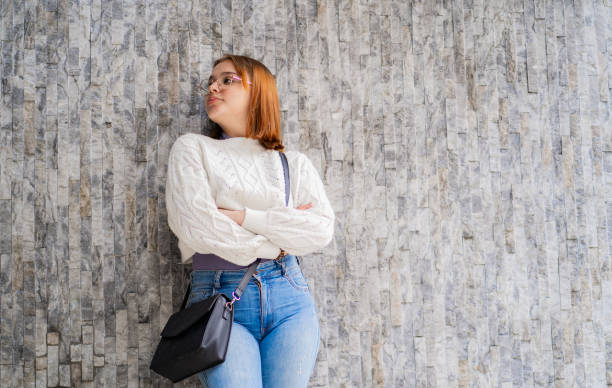
I keep noticing this thing lately. My Instagram feed, which used to be full of loud prints, neon colors, and those “statement outfits” that honestly only work for photos, is suddenly very… quiet. Beige blazers. White shirts. Straight jeans. Black trousers again. And not in a boring way, somehow it feels calming. That’s when it hit me — minimal fashion is back, or maybe it never really left and we just ignored it for a while.
I remember a few years ago, minimal outfits were called “plain” or even lazy. People wanted bold logos, layers on layers, colors screaming for attention. Now it feels like everyone is tired. Not physically tired maybe, but mentally. And minimal fashion fits that mood way too well.
When Clothes Stop Shouting and Start Talking Softly
Minimal fashion feels like that one friend who doesn’t talk much but somehow always makes sense. Clean lines, neutral colors, simple silhouettes. It’s not trying to impress anyone and that’s kind of the point. I used to think minimal outfits were only for rich people with expensive closets. Like you need perfect tailoring and fancy fabrics or else it looks dull. That was a wrong assumption, and yeah I learned that late.
There’s also this emotional thing attached to it. Life is already loud. Notifications, ads, reels, opinions everywhere. Wearing something simple feels like turning the volume down. I saw someone on Twitter say “minimal fashion is self-care but for your eyes” and honestly that sentence stuck with me.
Fast Fashion Burnout Is Real (Even If We Don’t Say It Out Loud)
Here’s a slightly uncomfortable truth. People are tired of buying clothes that fall apart after three washes. I am. You are. Everyone I know complains about it, but still shops during sales like it’s a sport. Minimal fashion quietly pushes against that habit. Fewer pieces, better quality, less trend chasing.
I read somewhere that the average person wears only about 20 percent of their wardrobe regularly. I don’t know how accurate that stat is, but when I look at my own closet, yeah… sounds right. Minimal fashion kind of forces you to face that reality. It asks, do you actually wear this or do you just like the idea of wearing it someday?
And online, the chatter supports it. On Reddit threads and TikTok comments, people keep saying things like “I just want outfits that work without thinking too much.” That’s minimal fashion in one sentence.
Money Talks, and Minimal Fashion Listens
Let’s talk money without making it boring. Think of your wardrobe like a phone charger. Cheap ones break fast. You keep replacing them and somehow you spend more in the long run. A good charger costs more upfront but lasts forever. Minimal fashion works the same way.
I used to buy five cheap shirts instead of one good one. Felt smart at the time. Then all five lost shape, color, or just vibes after a month. Now I buy slower. My bank account doesn’t feel magically rich, but it feels less chaotic. There’s less regret spending.
There’s also a quiet flex element. Wearing the same outfit multiple times confidently is kind of powerful now. Celebrities repeating outfits used to be gossip. Now it’s praised. That shift matters.
Social Media Changed Its Mind Too
Instagram used to reward extremes. Either super flashy or super edgy. Now the algorithm seems to love “effortless”. Neutral outfits in natural lighting, messy hair, coffee in hand. Minimal fashion photographs well, yes, but it also feels more real. Less costume, more life.
TikTok especially plays a role. Videos like “my 5 outfit formula” or “what I wear every week” are blowing up. People want systems, not chaos. Minimal fashion gives structure. One blazer, many outfits. Same pants, different moods.
And let’s be honest, minimal outfits make people look put together even when they’re not. I’ve worn a plain black tee and trousers on days my life was falling apart. Nobody could tell. That’s power.
It’s Not About Being Boring, It’s About Being Intentional
A big misunderstanding is that minimal fashion means no personality. That’s just wrong. It actually shows personality in a quieter way. Through fit, fabric, how you style things. Anyone can wear bright colors. It takes confidence to wear simple things and stand by them.
Minimal doesn’t mean you throw away color forever. It just means you’re not letting trends control your closet. You choose, not the algorithm. And that feels refreshing in a time where everything tells you what to like.
I still mess this up. Sometimes I buy something trendy and regret it. Sometimes my “minimal outfit” looks too plain and I feel underdressed. That’s okay. Minimal fashion isn’t about rules. It’s about reducing noise, not joy.
Why It Feels Different This Time
Minimal fashion has come back before, but this time it feels deeper. It’s not just aesthetic. It’s emotional, financial, even mental. People want fewer decisions. Fewer regrets. Fewer clothes that don’t feel like them anymore.
In a strange way, minimal fashion matches where society is heading. Slower, more mindful, a little tired, but trying to do better. It’s not perfect. Neither are we. And maybe that’s why it works now.
Sometimes fashion doesn’t need to shout to be noticed. Sometimes it just needs to breathe.