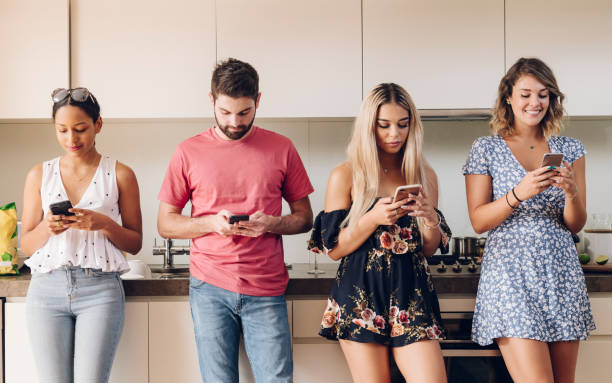
I keep thinking about this every time I close Instagram. You know that moment when you put your phone down, look at your own outfit, and feel like you’re living in a completely different fashion universe. Online, everyone looks styled, polished, color-coordinated like a Pinterest board came to life. Offline? It’s… very different. And honestly, that difference is kind of interesting.
The outfit you wear for likes vs the one you wear for life
On social media, outfits are built for a rectangle screen. Cropped tops paired with high-waist everything, oversized blazers that look cool only from the front, shoes that probably hurt after ten steps. I tried wearing one of those “effortless” Instagram outfits to run errands once. By the time I reached the grocery store, I was adjusting straps, pulling fabric, and questioning my life choices near the onions section.
In real life, people dress for comfort first, then style, then maybe trends if they feel like it. That viral denim-on-denim look? Most people I see outside are wearing one safe denim item and calling it a day. And yes, leggings are still winning. Quietly. Consistently. Like that reliable friend who never shows off but always shows up.
Comfort is the real trend nobody hashtags
There’s this myth online that everyone is suddenly super fashionable. But if you just sit at a café or bus stop for ten minutes, reality tells another story. Soft fabrics, repeat outfits, shoes chosen because they don’t ruin your knees. Comfort is the silent trend, the one nobody posts about because it doesn’t get comments.
I read somewhere that after 2020, searches for “comfortable clothes” spiked way more than “luxury fashion.” Makes sense. Once you get used to elastic waistbands, it’s hard to emotionally return to stiff jeans. People might post tailored trousers online, but offline those same people are living in relaxed fits, hoodies, and worn-out sneakers they refuse to throw away.
The money part no one likes to admit
Fashion online makes it look like people are constantly shopping. New outfits every week, sometimes every day. But real spending habits don’t match that image. Most people are financially cautious right now, even if they don’t say it out loud. Clothes are expensive. Rent is expensive. Everything is expensive.
So what happens? People repeat outfits. They mix old stuff with one new piece. They thrift, borrow, rewear, ignore trends that require a full wardrobe reset. It’s like budgeting with clothes. You don’t buy a whole new house because you want a new sofa, right? Same logic. One jacket, five outfits.
I’ve noticed more people quietly choosing “good enough” over “perfect.” And honestly, that feels healthier than chasing trends that last shorter than a social media sound.
Offline style is way more personal and weird
Here’s something social media doesn’t capture well. Real-life style is messy. Someone wears formal shoes with joggers. Someone pairs an old college hoodie with a sharp watch. Someone clearly dressed in the dark and didn’t care. And somehow, it works.
Online fashion pushes aesthetics. Cottagecore, clean girl, streetwear, old money. Offline fashion pushes personality. You can tell who values practicality, who loves nostalgia, who hates shopping, who low-key enjoys dressing up but pretends they don’t. It’s not curated. It’s honest.
I saw a guy last week wearing a suit jacket with flip-flops. No irony. No camera. Just vibes. That outfit would get roasted online, but in real life it just felt… confident?
Social media comments vs street-level truth
If you scroll fashion comments, everything is extreme. “Obsessed.” “This is ugly.” “You ate.” There’s no middle ground. But real-world reactions are softer. People don’t analyze outfits that deeply. Most are too busy thinking about their own day, their own problems, their own slightly uncomfortable shoes.
That’s why people feel freer offline. You don’t need to impress an algorithm while buying milk. And once you realize nobody is judging as much as you think, fashion becomes lighter. Less pressure. More function. More repeat wear without guilt.
The quiet comeback of normal clothes
Plain t-shirts. Basic jeans. Neutral colors. Practical bags. These aren’t trending loudly, but they’re everywhere. It’s almost funny how “normal” became uncool online while dominating real life. The fashion industry needs drama to sell. Real people need clothes that survive washing machines and long days.
There’s also a rise in clothes that don’t scream brand names. People still like quality, but they don’t always want logos shouting. It’s like financial maturity but for wardrobes. You stop needing proof. You just want something that works.
What this says about us, honestly
I think the gap between online and offline fashion shows how people actually think. Online is aspirational. Offline is realistic. One is performance, the other is survival with style sprinkled in when possible.
Social media makes trends look urgent. Real life slows them down. That’s not a bad thing. It means people are choosing what fits their bodies, budgets, and routines instead of blindly copying what’s viral this week.
And yeah, I still like scrolling fashion content. It’s fun. But I’ve stopped feeling guilty when my outfit doesn’t look post-worthy. Because most people around me are doing the same thing. Wearing what feels right. Wearing what they already own. Wearing life, basically.