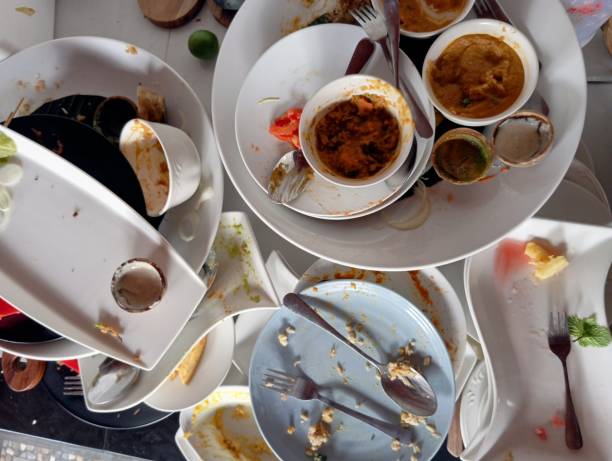
I noticed it one random evening while grocery shopping, standing in front of the shelves longer than socially acceptable. Some things just weren’t there anymore. Not “out of stock, come back tomorrow” missing. More like… gone gone. No label space, no dusty tag, nothing. That’s when it hit me — some foods are slowly fading out of our lives, and nobody is really making noise about it.
Not everything disappears with drama. Some foods just slip away quietly, like friends who stop replying and one day you realize it’s been years.
The Foods We Forgot Without Noticing
Remember when certain foods were just normal? Not trendy, not superfoods, not “clean eating approved.” Just… food. Things like millet-based dishes, homemade pickles that actually fermented properly, or local leafy greens your grandma swore by.
Now we scroll Instagram and it’s all avocado this, protein that. Somewhere in between, those old staples got replaced by shiny packages with English names we still pronounce wrong. I’m guilty too. I once Googled how to cook a grain my grandmother used daily. That hurt a little.
What’s wild is that many of these foods weren’t unhealthy or outdated. They just weren’t marketable. No influencer wants to pose with a bowl of boiled roots unless it’s rebranded as “ancestral detox food.”
Climate Change Is Quietly Editing Our Menu
This part isn’t fun, but it’s real. Climate change is messing with food availability in ways most of us don’t see directly. Certain fish species are becoming rarer. Some fruits don’t taste the same anymore — and no, that’s not just nostalgia talking.
Farmers in different regions are switching crops because rainfall patterns are weird now. A fruit that thrived for decades suddenly becomes too risky to grow. So they stop. No announcement, no farewell sale.
It’s like a subscription you didn’t cancel, but the service just stopped showing up.
There’s a lesser-known stat I read somewhere that stuck with me — over the last century, we’ve lost a massive chunk of crop diversity globally. We eat fewer varieties of plants now, even though we have more food options in supermarkets. That sounds fake, but it’s not. More brands, less actual diversity.
When Convenience Replaces Culture
Let’s be honest, convenience has a body count. Slow-cooked foods, long fermentation recipes, things that need patience — they don’t survive well in a world obsessed with “ready in 2 minutes.”
I once tried making traditional fermented batter at home. Messed it up twice. Smelled questionable. Ended up ordering food instead. That’s probably how a lot of recipes died. Not because they were bad, but because they asked too much from tired people.
Now food culture lives more on reels than in kitchens. We double-tap a recipe we’ll never cook. Meanwhile, actual dishes vanish from daily life.
Online, people joke about “grandma food” being boring. But the same crowd pays extra for “artisanal” versions of the same stuff when it comes back with better lighting and a wooden spoon.
The Economics Nobody Talks About
Here’s where money quietly controls taste. Some foods disappear simply because they’re not profitable enough. Small-scale farming doesn’t survive well against mass production. If a crop can’t be grown fast, stored long, or shipped cheaply, it struggles.
Think of it like this — food is now treated like fast fashion. If it doesn’t scale, it fails. Nutritional value doesn’t matter much if it doesn’t move units.
I read a discussion on a food forum where farmers were saying certain traditional crops earn them less than growing animal feed. So guess what gets planted.
We don’t lose foods because we hate them. We lose them because spreadsheets don’t love them.
Social Media Decides What Stays
This part is kind of funny and sad. If a food isn’t trending, it’s invisible. Social media doesn’t just influence what we eat, it decides what deserves to exist.
I’ve seen comments like “Who even eats that anymore?” under videos featuring traditional meals. Meanwhile, the same people obsess over imported snacks with zero nutritional value but elite packaging.
Once a food loses its “cool factor,” younger generations never form a connection with it. And without demand, it slowly exits the system.
Food doesn’t disappear when people stop liking it. It disappears when people stop remembering it.
Will These Foods Ever Come Back?
Some will. Food trends are like fashion cycles. What’s old becomes new again once enough time passes and someone rebrands it.
But not everything returns. Some ingredients need specific ecosystems, skills, and cultural context. Once that chain breaks, revival becomes expensive or impossible.
The scary part is we usually realize what we lost only after it’s gone. When a taste exists only in memory, or in stories that start with “back then…”
I sometimes think future generations will read about certain foods the way we read about extinct animals. With curiosity and a bit of regret.
Why This Actually Matters More Than We Think
This isn’t just about taste or nostalgia. Losing food diversity makes us more vulnerable. Fewer crops means higher risk when things go wrong. One disease, one climate event, and suddenly a whole food system panics.
Diverse plates mean resilient systems. Simple idea, but we keep ignoring it because convenience tastes good in the short term.
Also, food is culture. When foods disappear, stories disappear. Traditions shrink. Identity blurs.
And yeah, maybe I’m being dramatic. But I also think we should care a little more about what quietly slips away while we’re busy choosing between 15 types of cereal that all taste the sam