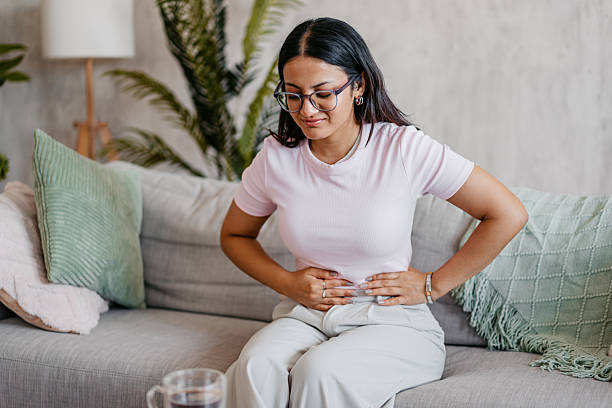
I swear, five years ago nobody around me was saying the word “gut” out loud unless they had food poisoning or watched some late-night fitness podcast by accident. Now suddenly everyone’s gut is “off,” “healing,” or “resetting.” Even my friend who still eats instant noodles at 2 a.m. is talking about probiotics like he discovered fire. So yeah, gut health is everywhere. And honestly, I kind of get why… even if it feels a bit overhyped sometimes.
When Your Stomach Starts Acting Like a Drama Queen
For me, it started simple. Bloating. Random tiredness. That weird feeling where you’re not sick but also not okay. I kept blaming work stress, bad sleep, or coffee. Turns out, my gut was basically protesting quietly. Nobody tells you this, but your gut is like that one coworker who doesn’t complain until they’re fully done with you. And then boom, everything feels wrong.
People are realizing the same thing. Digestive issues are rising, but not in a dramatic hospital way. It’s more subtle. Brain fog, low energy, mood swings. Stuff you can’t really point to, but it messes with your day. Once social media started connecting these dots, gut health went from boring biology topic to main character energy.
The Money Side of Gut Health (Yeah, There Is One)
Here’s where it gets interesting financially. Gut health is big business now. Supplements, fermented foods, tests, powders that taste like sadness. It reminds me of skincare honestly. You don’t need all of it, but once you start, you feel like stopping means you’ll age backwards or something.
Think of your gut like a savings account. If you keep withdrawing junk food, stress, and no sleep, and never deposit fiber, water, or rest, eventually it goes empty. Then you panic and buy expensive “gut reset” products hoping they fix everything in 30 days. Spoiler: they don’t. But companies make money because we love quick fixes.
A lesser-known stat I read somewhere online (and yes, I forgot the exact source, very on-brand human moment) said most people only eat about half the daily fiber they should. Half. And fiber is basically free compared to fancy supplements. That alone explains why everyone’s gut feels weird.
Social Media Made It Cool (And Confusing)
TikTok and Instagram absolutely fueled this trend. One reel says gluten is evil. Another says dairy is the devil. Then a third says stress is the real villain and food doesn’t even matter that much. It’s chaotic. But people relate to it. Comment sections are full of “this explains my life” or “why did no doctor tell me this.”
There’s also a weird flex culture around gut health now. People posting their kombucha shelves like it’s a sneaker collection. Don’t get me wrong, fermented foods are great, but some of this feels performative. Still, the awareness part is good. Even if half of the advice is questionable, at least people are listening to their bodies more.
Your Gut Is Basically Running the Show
One thing that blew my mind (and yeah, I learned this late) is how connected the gut and brain are. Ever notice how stress messes with your stomach? Or how bad digestion makes you cranky for no reason? That’s not imaginary. Your gut has its own nervous system. Which sounds fake, but it’s real.
So when people say “trust your gut,” it’s not just motivational poster nonsense. Your gut actually sends signals to your brain all day. If it’s unhappy, your mood, focus, and energy all take a hit. No wonder mental health conversations now include gut health too. They’re roommates, whether they like it or not.
Why Doctors Didn’t Talk About This Much Before
This part annoys people, and honestly I get it. Traditional healthcare focused more on treating symptoms, not daily habits. If you weren’t bleeding or in serious pain, gut issues got brushed off as “normal.” Now research is catching up, and suddenly it feels like this info came out of nowhere. It didn’t. It was just ignored or considered boring.
Also, gut health isn’t dramatic. There’s no instant before-and-after. It’s slow, annoying, and requires consistency. That’s not sexy medicine. But now people are tired of feeling “meh” all the time, so they’re paying attention.
Not Everything Needs to Be Extreme
Here’s my slightly unpopular opinion. You don’t need to cut out ten foods, buy twelve supplements, and drink green sludge daily to have decent gut health. Sometimes it’s just eating real food more often, chewing properly (yes, that matters), and not scrolling your phone while eating like a raccoon.
I made the mistake of going all-in once. Bought prebiotics, probiotics, digestive enzymes, the whole gang. My wallet hurt more than my stomach. When I simplified things, more veggies, less stress eating, walking after meals, things improved. Not perfect, but better. Gut health isn’t about perfection anyway.
So Why Now, Really?
People are exhausted. Physically and mentally. Food quality changed, stress increased, sleep got worse, and screens are everywhere. The gut is just the first system to wave a red flag. Talking about gut health is really talking about lifestyle, without directly saying “hey, your daily habits are wrecking you.”
And yeah, some of it is trend-driven. Some of it is marketing. But a big part is people finally realizing their body isn’t just a machine you can ignore until it breaks. It keeps receipts.
If everyone’s talking about gut health now, it’s because their guts are finally talking back. Loudly.